Holding the Fragments: Lament, Mosaic and a Gentler Advent Service
Advent is often presented as a season of bright expectation. Churches hang wreaths, choirs rehearse, and high streets fill with lights before the afternoons have properly begun to shorten. For many people, however, December is not chiefly a season of cheer. It is a season of absence, of routines changed by bereavement, of family tables with an empty place, and of invitations that ask for a happiness the heart cannot yet supply. In recent years, a growing number of UK churches have responded by offering a Blue Christmas service: a quieter act of worship for those who find the festive period difficult.
The service is not a rival to carol singing or midnight Mass. It is a companion to them. Its purpose is not to dampen Advent hope but to make room for the honest grief that hope must carry. A mosaic workshop can give that room a visible shape. When broken tiles are handled with care and set beside one another, they can become a modest parable of what the Church is being asked to do in December 2026: not to deny the fragments, but to bring them before God.
A Season That Does Not Always Shine
Blue Christmas services have appeared in cathedrals, parish churches, chapels and community halls across the United Kingdom. Some are held in the evening by candlelight; others take place on a weekday afternoon, when the streets are less crowded. Their common feature is a deliberate lowering of volume. There may be familiar hymns, but not many. There may be silence, scripture, a short address and the opportunity to light a candle or write a name. The aim is not to manufacture sadness, nor to prescribe how grief should feel. It is to say, plainly and without embarrassment, that those who are struggling are not required to perform seasonal joy in order to belong.
This matters in a culture where Christmas is often treated as a test of cheerfulness. The Church has something more substantial to offer than that test. It has a gospel that speaks to the brokenhearted, and a Lord who was born into a world already acquainted with violence, displacement and fear.
The Workshop Before the Worship
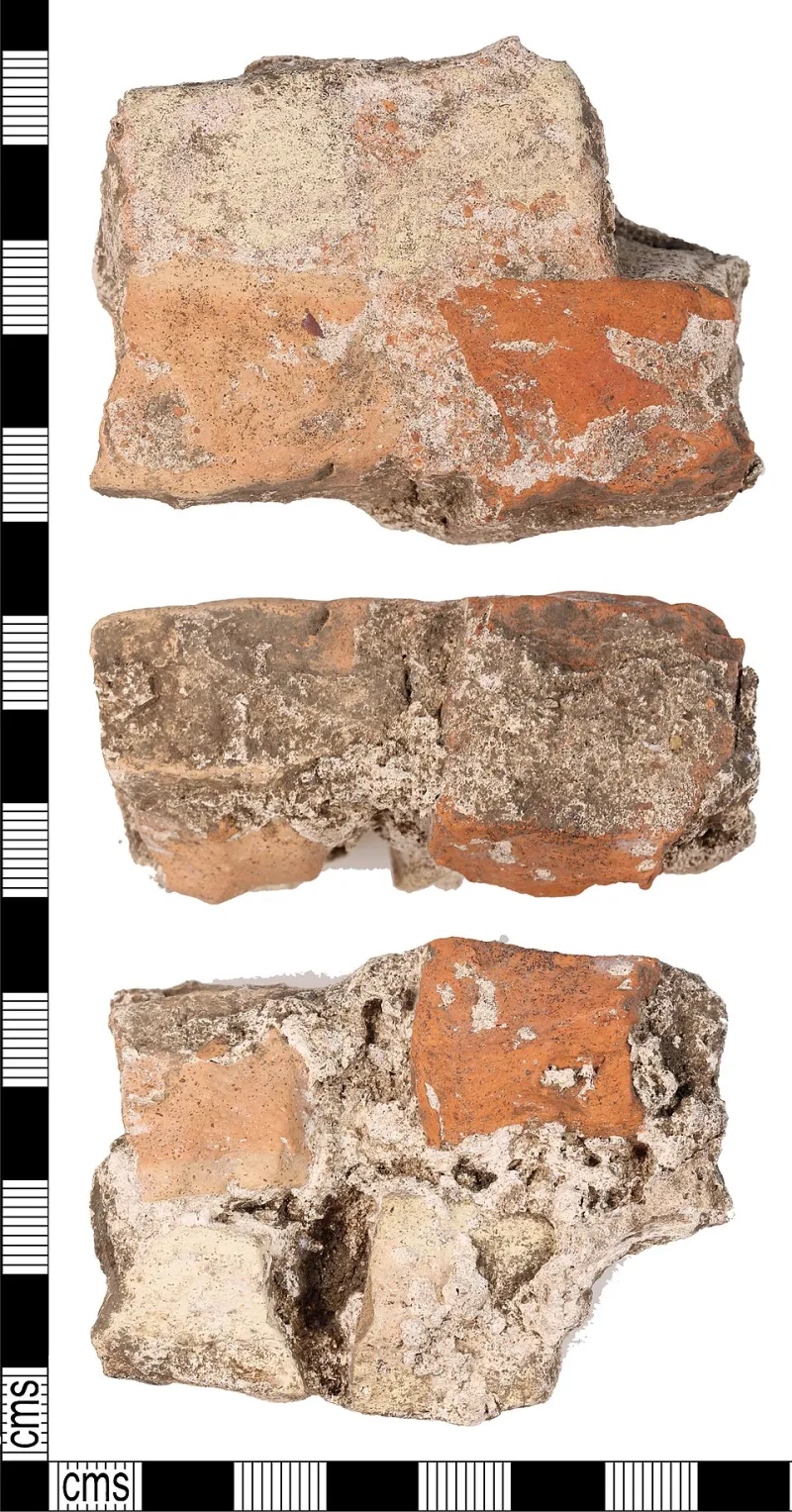
A mosaic workshop need not be elaborate. A table covered with newspaper, a supply of broken ceramic or glass tiles, a wooden board or sturdy card, grout, cloths and a few simple tools will suffice. Participants might be invited to choose a single tile that represents something they are carrying into Advent: a memory, a name, a worry, a prayer too thin for words. The tile can be blue, but it need not be. The point is not colour coordination. The point is patient attention.
Mosaic is a useful discipline for a grieving congregation because it makes no unrealistic demands. It does not require confident speech or musical ability. It allows people to work side by side without forcing conversation. It accepts that small pieces can be placed slowly. It also makes visible a truth often repeated in Christian reflection: broken things are not simply discarded. In the hands of a patient maker, they can be retained, arranged and given a place.
A facilitator should be careful not to turn the workshop into a therapy session or an art competition. The task is devotional, not decorative. Scripture cards placed on the table can help: a verse from Psalm 34, a line from Lamentations, a short passage from Matthew’s Gospel. Participants should be free to talk or to keep silence. The finished piece can be brought into the service and placed near the Advent wreath or the manger scene, a sign that the prayers of the workshop are now part of the congregation’s offering.
Psalm 34 and the Grammar of Lament
Psalm 34:18 says that the Lord is near to the brokenhearted and saves those who are crushed in spirit. That verse is often quoted in difficult seasons, and rightly so, but it should not be used as a quick answer to grief. The psalms of lament teach the Church a slower grammar. They address God directly. They name trouble. They ask questions. They wait.
A Blue Christmas service does well when it allows that grammar to shape the liturgy. Lament is not a failure of faith. It is an act of faith that refuses to pretend. The people of Israel could bring their complaint before God because they believed God was near enough to hear it. The Church can do the same. In Advent, lament and hope are not opposites. They are held together in the same prayer, much as uneven tiles are held together in the same frame.
Shadows Around the Manger
The nativity story is often remembered through its gentler images: shepherds, animals, a mother and child. Yet Matthew’s Gospel does not leave the manger untouched by danger. Joseph receives a warning in a dream, and the family flees to Egypt. Rachel is said to weep for her children. Herod’s fear becomes violence. The light of Christ enters a world where grief is real, not a world where grief has been tidied away.
To notice those shadows is not to undermine Christmas. It is to understand it more deeply. The child in the manger is the one who will later weep at a tomb and endure the cross. A Blue Christmas service does not add gloom to the gospel; it recognises that the gospel already knows the darkness. Hope is not the denial of sorrow. It is the confidence that sorrow does not have the final word.
A Service of Small, Honest Pieces
A simple order might include a welcome that asks no one to be cheerful, a candlelit gathering, a psalm of lament, a short reading from Matthew 2, a period of silence, and an opportunity to place the workshop mosaic near the manger. Intercessions can name the bereaved, the lonely, the anxious, those caring for others, and those for whom this Christmas will be the first without someone they love. The Lord’s Prayer can be said slowly. A blessing can be given without pressure to linger.
Tea and conversation afterwards should be offered, but not enforced. Some will want to leave quietly. That, too, is a valid response. The service succeeds not by producing visible emotion but by offering a space where truth can be told before God.
As congregations plan for Advent 2026, the Blue Christmas service deserves careful pastoral attention rather than last-minute improvisation. It should be publicised plainly, with language that invites rather than pressures. It should be prepared with prayer. And it might well begin with a table of broken tiles, waiting to be set into a larger picture. The Church does not need to hide the fragments of December. It is called to gather them, place them before Christ, and trust that he can hold them still.