The Table Without a Matching Set: Luke 14 and the Holy Work of Uneven Welcome
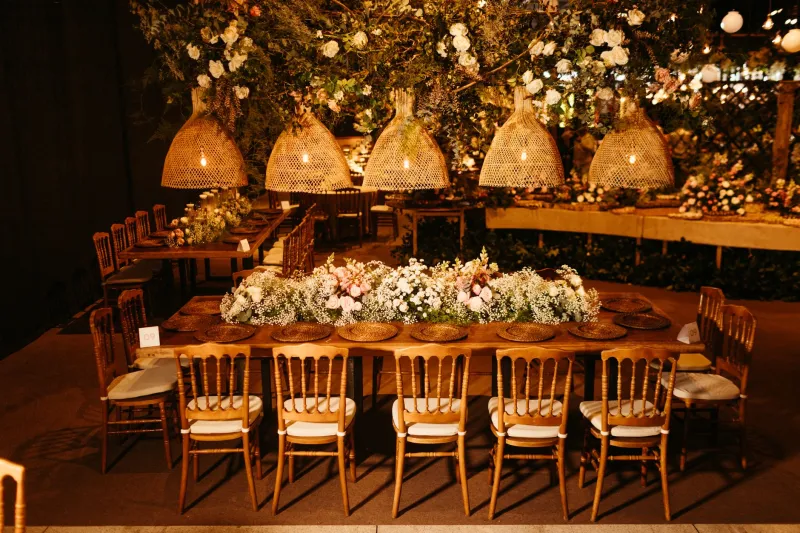
Most church halls contain an accidental museum of seating. There is the stacking chair from a former drama group, the armchair donated after a house clearance, the bench that is too heavy to move and the plastic seat that nobody chooses. Visitors notice. Regulars apologise. Yet the untidy assortment may be closer to the pattern of Luke 14 than the matching suite we imagine would be more creditable.
The Banquet That Refuses a Guest List
Luke 14 begins at a Sabbath meal in the house of a leading Pharisee. Jesus watches the scramble for places and then turns to his host with a remark that still unsettles. When you give a lunch or dinner, he says, do not invite your friends, brothers, relatives or rich neighbours, lest they invite you back and you be repaid. Invite the poor, the crippled, the lame and the blind, and you will be blessed, because they cannot repay you (Luke 14:12-14). The instruction is not a prohibition on family meals. It is a demolition of reciprocity as the hidden engine of hospitality. A table that exists to be repaid is a transaction with napkins.
Jesus then tells of a man who prepared a great banquet and sent invitations. The invited guests begin to make excuses: a field, five yoke of oxen, a new marriage. Each excuse is respectable. That is the point. The kingdom's banquet is not refused by obvious wickedness but by good things that have become alibis. The servant reports the refusals, and the master grows angry. He sends the servant to bring in the poor, the crippled, the blind and the lame. When there is still room, he sends again to the roads and hedges, with the urgent word that the house must be filled (Luke 14:23).
The Mosaicist's Eye for Uneven Pieces
Mosaicists do not begin with a box of identical squares. They cut tesserae to shape, choose pieces for colour and response, and set them in a bed that holds difference together. A wall of uniform tiles may be clean, but it is not a mosaic. The strength of the art lies in the andamento, the flow of the whole, and in the grout that gives each piece room without letting it fall away.
The church's welcome is often imagined as a matching set: the same mugs, the same chairs, the same sort of people, the same easy conversation. Luke 14 suggests otherwise. The host does not first harmonise the guests and then seat them. He brings them in as they are, and the house is filled. The odd chair is not a problem to be tidied away before the real work begins; it is a tessera that reminds the room it has a history, a donor, a purpose and a place.
The Difference Between Tidying and Ordering
None of this canonises neglect. A chipped mug that can cut a lip should be retired; a wobbly chair that cannot be made safe should be repaired or removed. The gospel does not ask congregations to romanticise hazard. The distinction is between tidying, which serves the guest, and ordering, which protects the host's image. One asks, 'Can this person find the door, the loo, the tea and a seat without being managed?' The other asks, 'What will this look like?'
Practical welcome is often unglamorous: clear signage, a working hearing loop, step-free access, a quiet corner, large-print invitations, and somebody at the door who is expecting you. These are the grout lines of a hospitable room. Safeguarding, risk assessments and fire regulations are not moats around the table. They are the discipline that allows a fragile and mixed company to sit down together with dignity.
The Excuses of a Dark November
By November, many congregations are tired. The clocks have changed, the evenings are dark, and the diary is full of carol services, fairs and rotas. The excuses in the parable find modern equivalents: the building is too small, the team is too thin, the budget is too tight, the newcomers might not fit. Some of these are real constraints, and the parable does not ask for recklessness. But the servant's report is not the end of the story. There is still room, and the master sends again.
Luke's host is not casual. He is urgent. The command to compel is not a licence for pressure or manipulation; it is the language of a house that must be filled. In a UK winter, that urgency has a particular shape. Warm spaces, lunch clubs, food banks, parent-and-toddler groups and Christmas meals are not decorations on the church's mission; they are the roads and hedges of the parish. The invitation is not a poster in the porch. It is a person saying, 'There is a place for you, and I will walk you to it.'
A Small Pattern for the Parish Hall
Congregations preparing winter welcome might consider a few modest disciplines. First, audit the room as a stranger would: the door, the heat, the toilets, the noise, the signage and the seating. Dignity is often a practical matter before it is a decorative one. Second, keep the guest list open through the networks that already exist: the school gate, the carers' group, the food bank, the warm hub and the neighbour who has stopped coming. Third, share the table by sharing the work. A newcomer who is only welcomed, and never asked to hold a jug or move a chair, remains a visitor.
Fourth, make the grout visible. A short prayer of welcome, a rota that includes listening as well as serving, and a habit of introducing people by name will do more than a new set of crockery. The mosaic does not depend on hiding the joins. It depends on setting each piece with care.
At the end of Luke 14, the banquet is not a display of the host's taste. It is a house filled with people who could not repay him. The mosaic is not made of pieces that were already alike; it is made of pieces that were brought in. The table without a matching set is not a failure of preparation. It may be the pattern of grace. This winter, set another place. Do not first ask whether the chair matches. Ask whether the guest has been expected.