A Coin Without a Caption: St Nicholas and the Discipline of Hidden Kindness
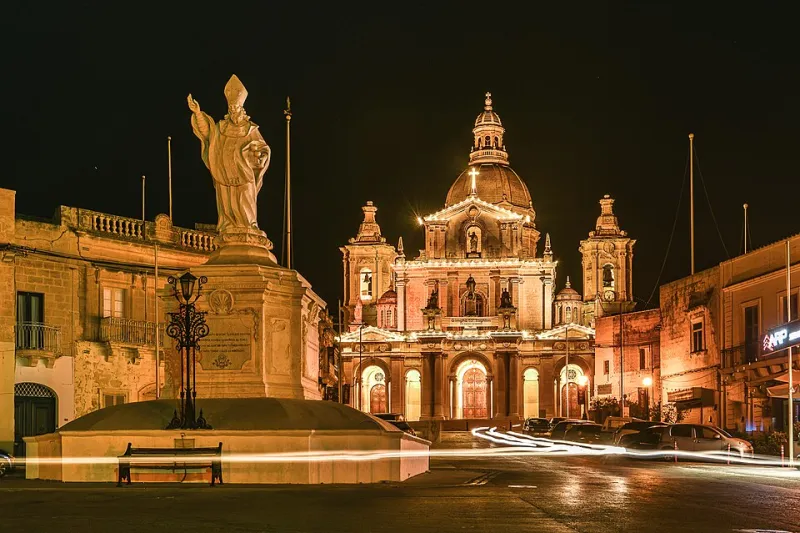
Photo: Bellina 09, CC BY-SA 4.0, via Wikimedia Commons
St Nicholas Day falls on 6 December, early enough in Advent 2026 that most congregations are still finding their rhythm of waiting. The decorations may be half-unpacked, the school nativity rehearsals underway, and the high street already loud with a different kind of December. In that setting, the old feast of St Nicholas offers a quieter signal: a pattern of giving that does not seek to be seen.
The Saint Behind the Season
The historical Nicholas, bishop of Myra in the fourth century, is remembered in Christian tradition for a cluster of stories about secret generosity. The best known concerns three young women whose family had fallen into desperate poverty. According to the tale, Nicholas threw bags of gold through a window—or, in some versions, down a chimney into shoes or stockings left to dry—so that the daughters might marry and escape a precarious future. The details vary, but the shape of the story is consistent: the gift was given, and the giver was not named.
That shape matters. The modern shopping-centre Santa is a cheerful and commercial figure, useful for photographs and seasonal advertising, but he is not the same as the bishop of Myra. St Nicholas points away from himself. His legend is not about a red suit or a list of who has been good, but about a discreet mercy that protects the dignity of the receiver. In a culture that often measures generosity by its visibility, the saint offers a corrective.
A Text for the Unseen
Jesus addresses the same temptation in Matthew 6:1–4. 'Beware of practising your righteousness before other people in order to be seen by them,' he says, and then speaks of giving without trumpeting it: 'Do not let your left hand know what your right hand is doing, so that your giving may be in secret.' The passage is not a prohibition on all public generosity—churches must handle money transparently and charities must account for funds—but it is a warning about the heart's appetite for applause.
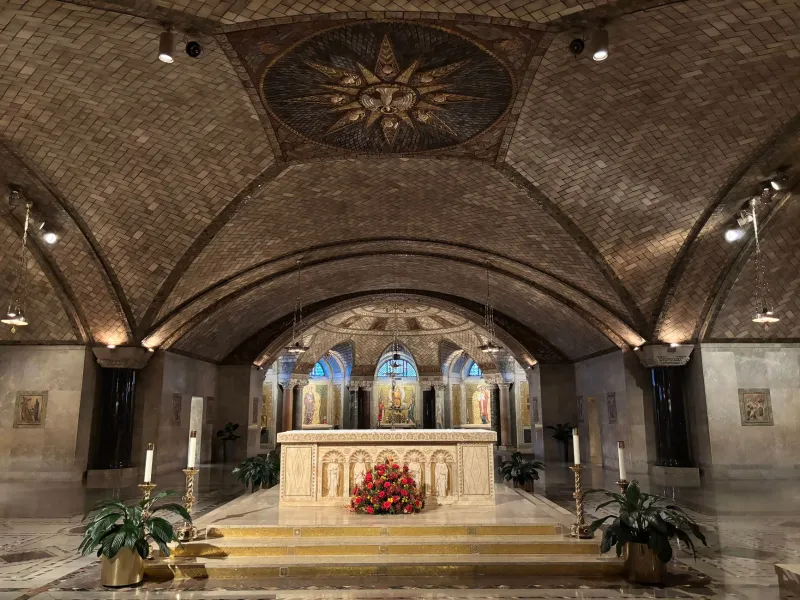
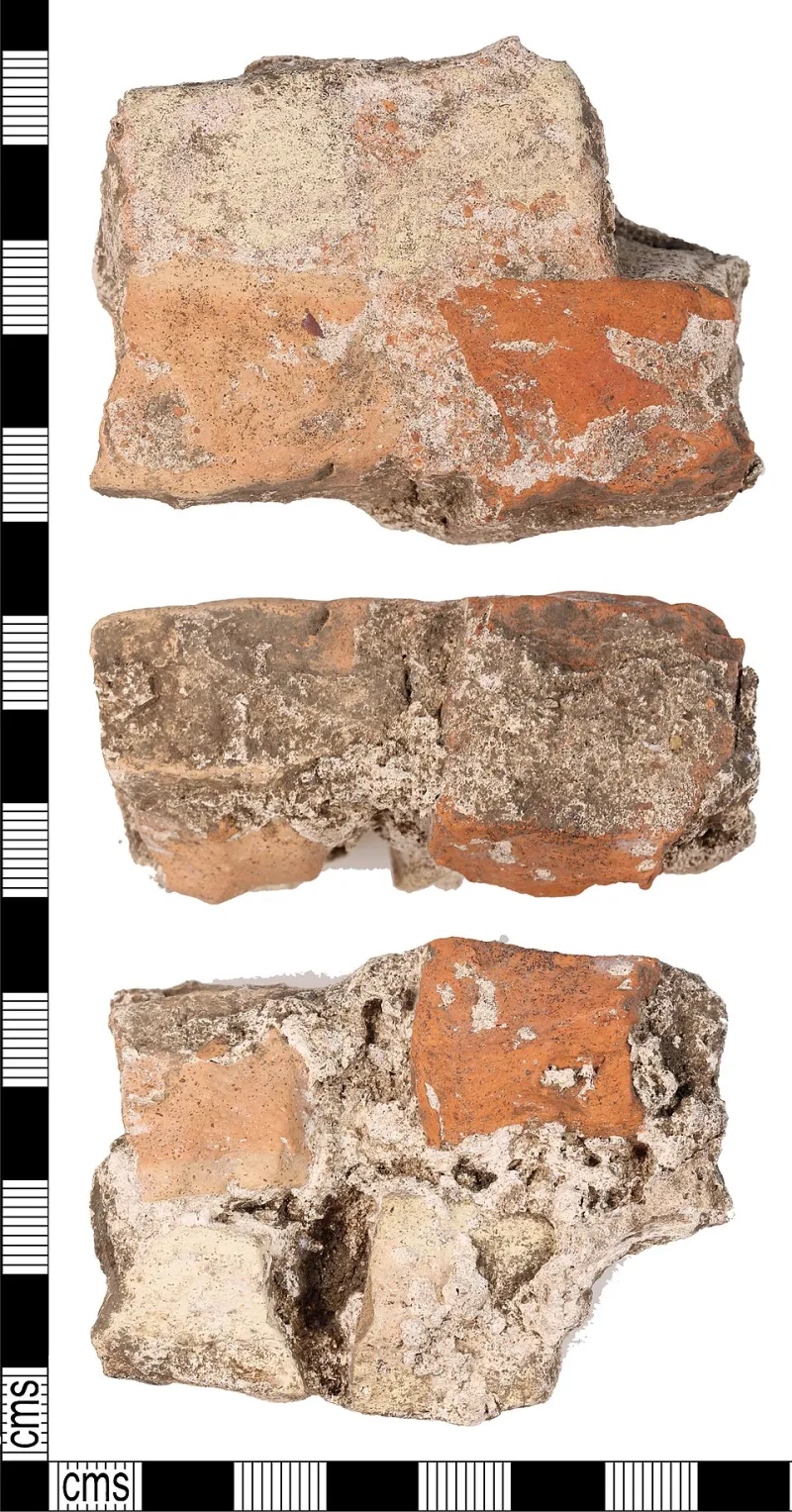
There is a mosaic logic here. A mosaic is made of many tesserae, most of which are not individually famous. The small stone does not sign its work. It simply takes its place, and the whole image emerges because each piece has been set in relation to the others. Hidden giving works in the same way. A bag of groceries left for a neighbour, a donation made without a name, a lift offered to an isolated member of the congregation: these are not headline acts, but they become part of a larger pattern of grace. The left hand does not need to know because the Father who sees in secret is already holding the design.
Tesserae in the Dark
The Advent season is especially suited to this discipline. Advent is a time of waiting, and waiting has a way of making us honest about what we are waiting for. If we are waiting for recognition, December will disappoint us. If we are waiting for Christ, then the small, unseen act becomes a way of watching. The candle in the window is not lit to advertise the householder's virtue; it is lit because someone is expected.
For UK churches, St Nicholas Day can be marked without importing the excess of the shopping centre. A parish might keep a simple 'quiet shelf' in the porch for foodbank donations, with no sign-up sheet and no photograph for the newsletter. A family might place chocolate coins in shoes on the evening of 5 December and read Matthew 6:1–4 together before bed, not as a reward system but as a story about the kind of giving that does not ask for a caption. A school assembly can tell the story of the three bags of gold and ask what it might mean to give something that no one else needs to know about.
There is also a place for the anonymous gift within the life of the congregation. A 'secret Santa' among adults can become an exercise in attention rather than novelty: a small gift chosen for someone who is lonely, or a note of encouragement left without a signature. The point is not secrecy for its own sake, but the removal of the reward of being seen. In a small church, anonymity is difficult, and that is part of the discipline. We learn to give without controlling how the gift is received.
Keeping the Day Without the Tinsel
St Nicholas Day is not a second Christmas. It is a small window in the Advent calendar, a reminder that the Christ-child is the true gift and that our giving is a response, not a performance. For families, the feast can be kept simply: a coin in a shoe, a short prayer, a conversation about someone in the neighbourhood who might need a hidden kindness that week. For churches, it might mean commissioning a quiet collection for a local refuge or night shelter, with the emphasis on the gift rather than the giver.
The danger is that even hidden giving can become a new kind of display. Jesus' teaching is not a technique for spiritual superiority. It is a call to loosen our grip on reputation. The mosaic of grace is not improved by our need to be noticed; it is completed by the Father's hidden hand.
The Mosaic That Cannot Be Signed
When St Nicholas is remembered rightly, he is not a rival to Christ but a signpost. The coins in the shoe are not the gospel, but they can become tesserae in a pattern that points to the gospel. The gift given without a name, the kindness that leaves no plaque, the donation that never appears in a photograph—these are small stones set in the dark. They do not announce themselves, but they belong to the image that God is making.
As Advent 2026 unfolds, the Church is invited to practise a generosity that is content to be unseen. Not because giving should be hidden from account, but because the heart needs to be freed from the need to be credited. The saint of Myra understood that the left hand need not know. The mosaic will be seen in its time.